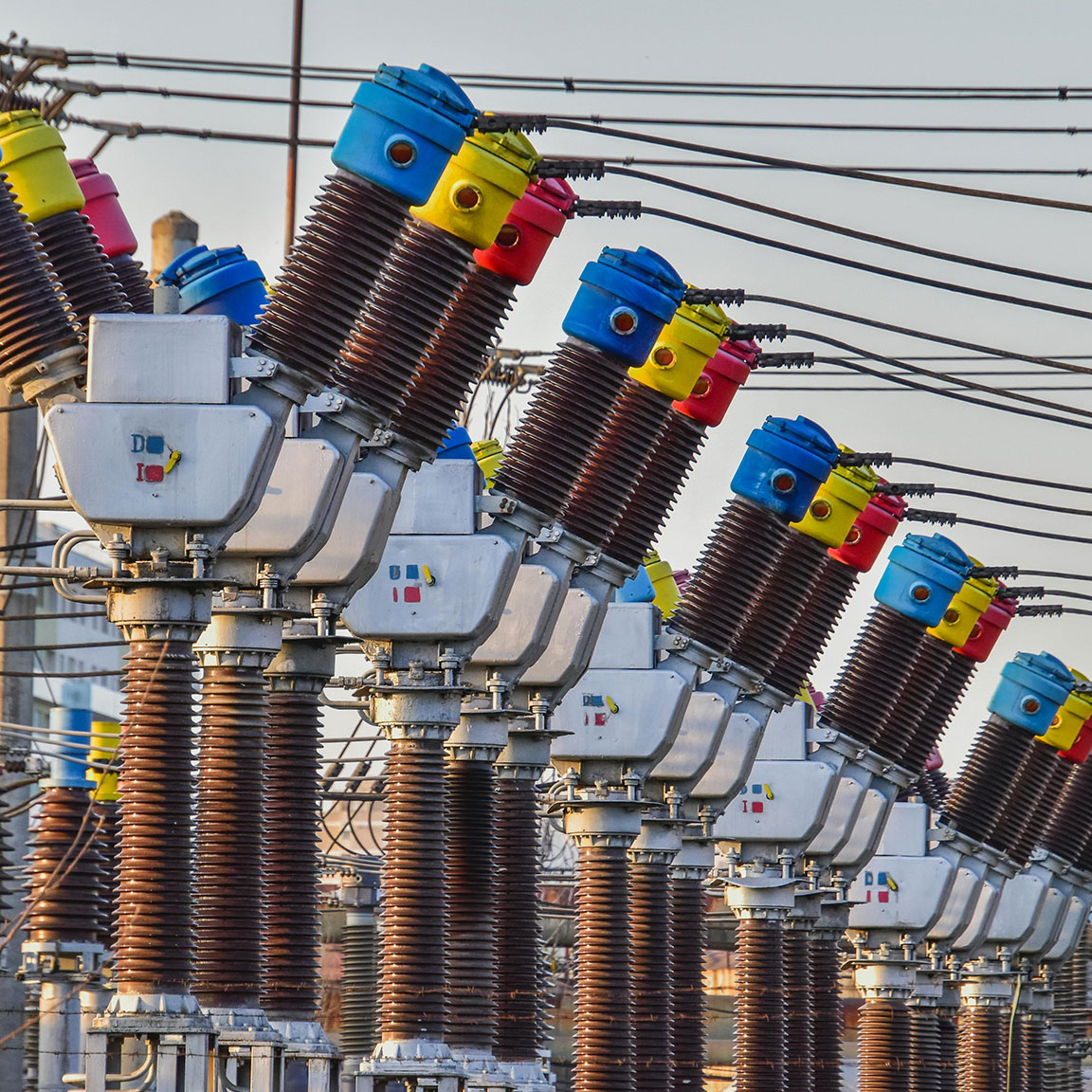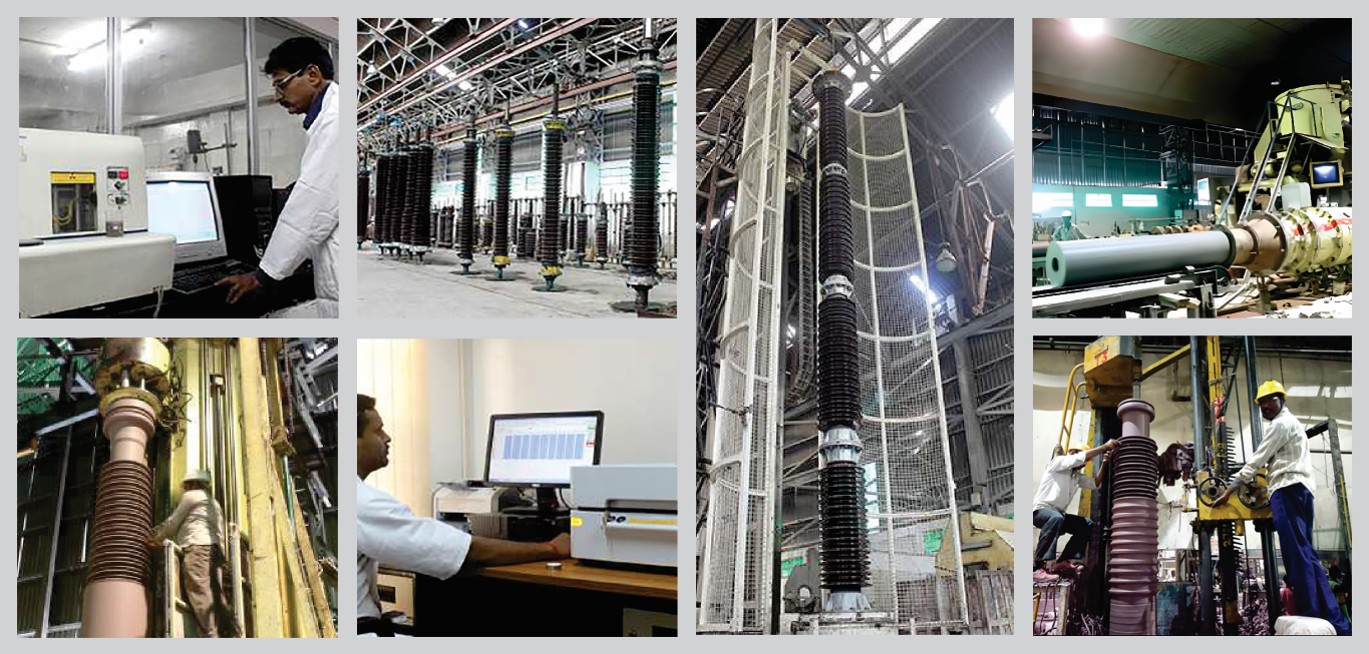
At Insulators & Electricals Company (IEC), a division of Hindusthan Urban Infrastructure Ltd., quality assurance is integral to the production of high-voltage porcelain insulators. The company adheres to stringent quality control measures and conducts comprehensive type testing to ensure the reliability and safety of its products.
These certifications underscore IEC's dedication to maintaining high-quality standards throughout its manufacturing processes.
ISO 9001:2015
Quality Management Systems
ISO 14001:2015
Environmental Management Systems
ISO 45001:2018
Occupational Health and Safety
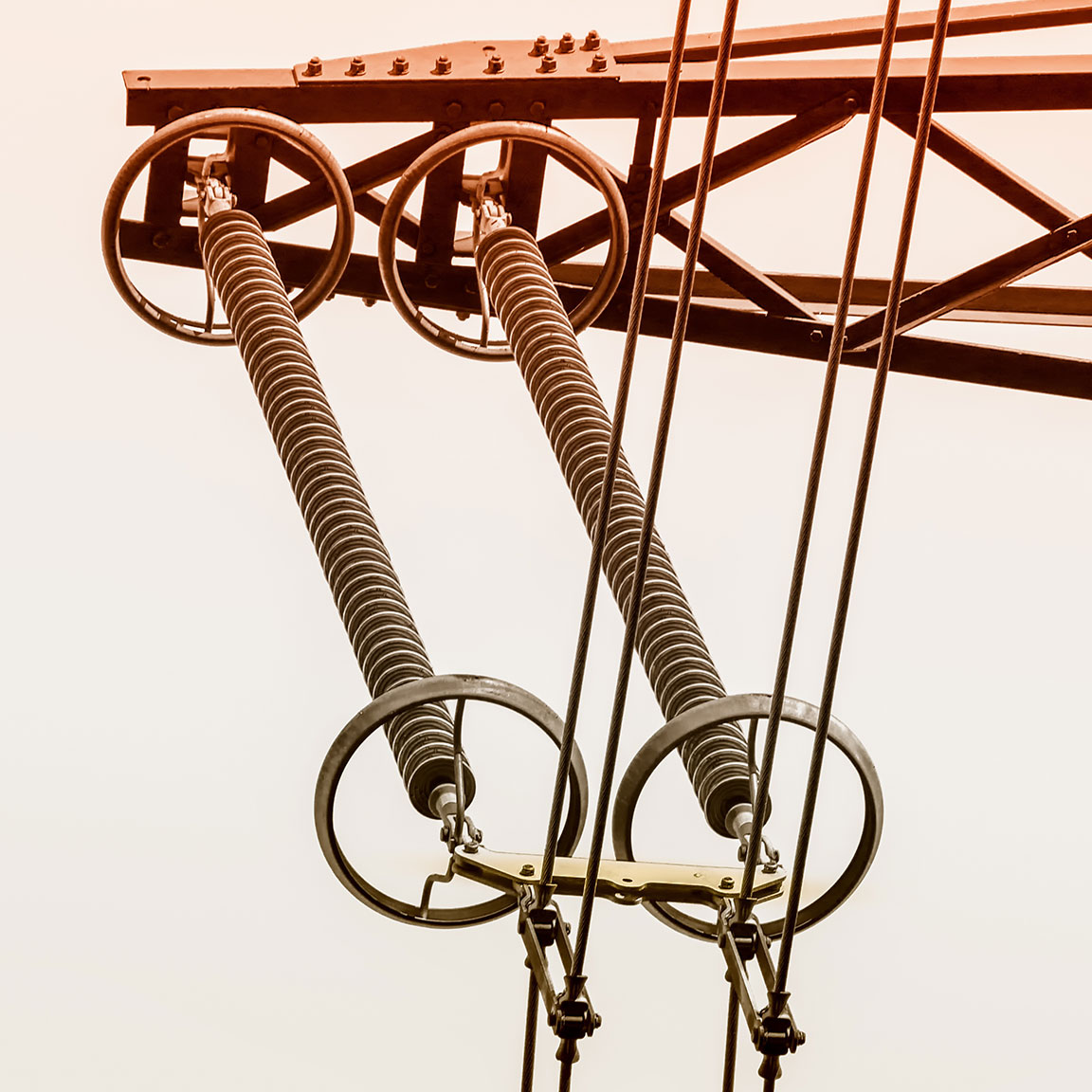
Key Stages in Quality Control:
o Only materials from globally reputed sources are procured.
o Incoming materials undergo rigorous testing in the Materials Laboratory to ensure compliance with specifications.
o Continuous monitoring during manufacturing to detect and rectify any deviations from quality standards.
o Implementation of preventive measures to maintain product integrity.
o Comprehensive testing of finished insulators to verify their performance and safety.
o Inspection includes dimensional checks, surface finish, and overall workmanship.
o Collaboration with independent agencies for additional verification of product quality.
o Ensures impartial assessment and adherence to international standards.
Type Testing of IEC Products
IEC conducts type testing in collaboration with reputed independent test houses to validate the performance and safety of its insulators. These tests are in accordance with international standards and are crucial for certifying the products for various applications.
Key Type Tests Include:
o Assesses the insulator's ability to withstand high-voltage lightning impulses without failure.
o Performed under specified conditions to simulate real-world scenarios.
o Evaluates the insulator's performance under wet conditions, mimicking the effects of rain and humidity.
o Ensures reliability in diverse environmental conditions.
o Tests the insulator's ability to handle prolonged exposure to high-voltage power frequencies in wet conditions.
o Critical for applications in areas with high moisture levels.
o Simulates rapid temperature changes to assess the insulator's resilience to thermal stresses.
o Ensures durability under varying temperature conditions.
o Determines the maximum mechanical load the insulator can withstand before failure.
o Essential for applications subjected to physical stresses.
o Assesses the insulator's performance under simultaneous electrical and mechanical stresses.
o Important for understanding real-world operational conditions.
o Evaluates the insulator's resistance to puncture under specified voltage conditions.
o Ensures safety against electrical breakdowns.
o Checks for any internal voids or imperfections that could compromise the insulator's integrity.
o Performed by immersing a ceramic fragment in a dye solution under pressure
o Assesses the quality and uniformity of the galvanization on metal components.
o Ensures protection against corrosion and enhances longevity.
Collaborating Test Houses
IEC collaborates with several renowned independent test houses for type testing:
India
Vadodara, India
India
Chennai, India
India
Italy
France
South Africa
Hungary
Summary
IEC's robust quality control processes and comprehensive type testing procedures underscore its commitment to delivering high-quality, reliable insulators. By adhering to international standards and collaborating with esteemed test houses, IEC ensures that its products meet the diverse needs of the electrical power industry worldwide.
If you require further information or specific details regarding IEC's quality control and testing processes, please feel free to ask.
Insulators & Electricals Company (IEC), a division of Hindusthan Urban Infrastructure Ltd., operates a state-of-the-art manufacturing facility located in Mandideep, Madhya Pradesh. This facility is dedicated to the production of high-quality porcelain insulators, serving both domestic and international markets.
Get In Touch